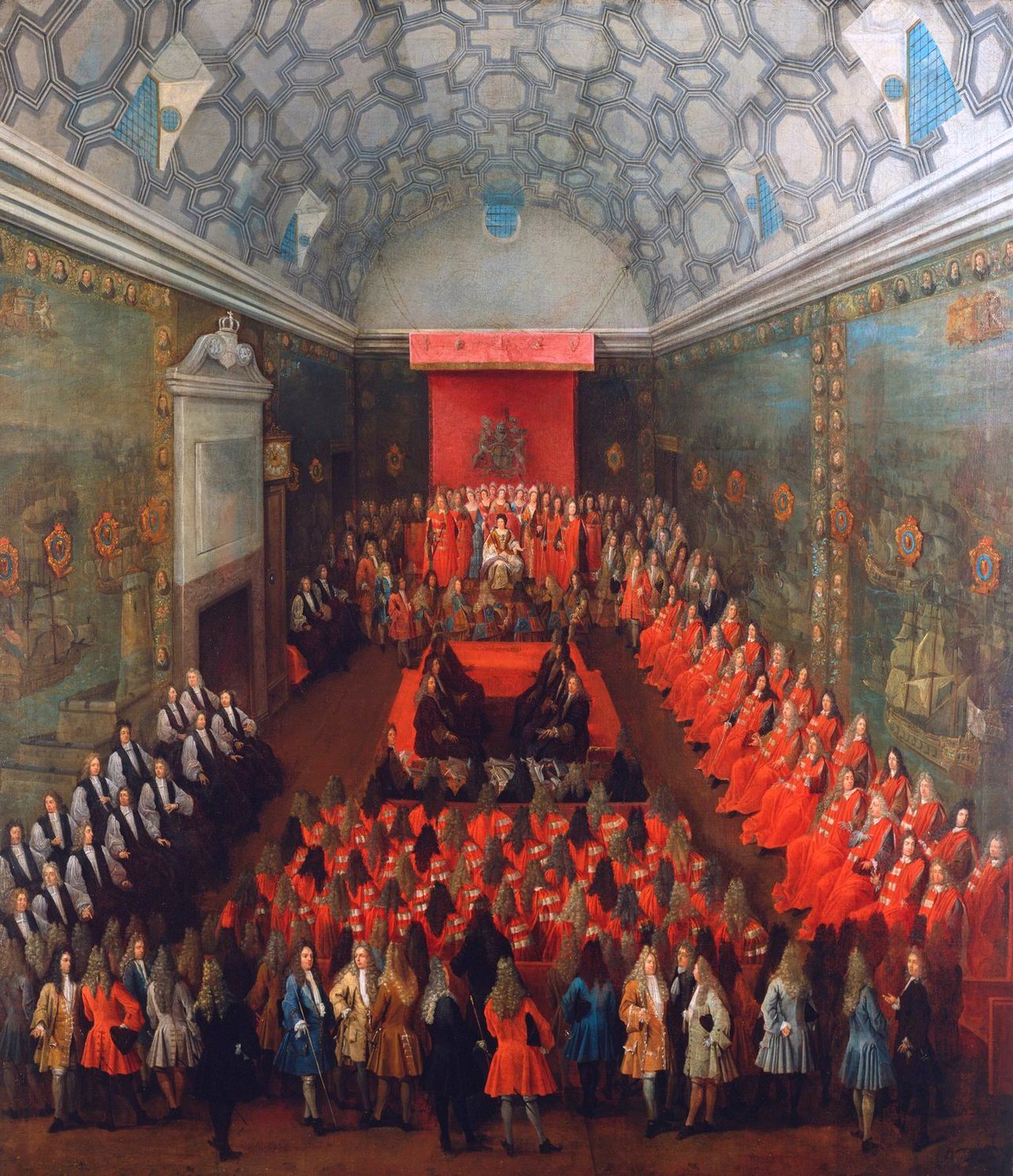
Why Pinpointing a Collective Term for British Nobility Proves So Difficult
The quest for a definitive
collective term for British nobility often feels like searching for a unicorn – many have heard of it, but few have actually found one that universally applies. Unlike the clear-cut "pride of lions" or "flock of birds," human collective nouns, especially for complex social strata like nobility, are notoriously elusive. This difficulty is even echoed in the world of crosswords, where "British nobility collective term" often appears as a challenging clue, hinting at the lack of a single, widely accepted answer. This article delves into the intricate reasons behind this linguistic void, exploring the historical, social, and cultural factors that make such a term so hard to pin down.
The Elusive Nature of Noble Collective Nouns
The primary reason a singular, universally accepted
collective term for British nobility doesn't readily exist lies in the very nature of British nobility itself. It's not a monolithic entity but a nuanced, evolving structure that has adapted over centuries.
Historical Layers and Diverse Ranks
British nobility is stratified into distinct ranks, each with its own history, privileges, and responsibilities. From the highest Duke or Duchess to the most recently created Baron or Baroness, the titles signify a complex hierarchy. We have:
- Dukes/Duchesses: The highest rank, often with historical ties to royal families.
- Marquesses/Marchionesses: A rank between Duke and Earl.
- Earls/Countesses: An ancient title, equivalent to a continental Count.
- Viscounts/Viscountesses: A relatively newer title, originally denoting a sheriff or official.
- Barons/Baronesses: The lowest rank of the peerage, but still members of the nobility.
Beyond these peerage titles, there are also Baronets (hereditary but not peers), and the broader "gentry" – landed families who historically held social standing without holding a peerage. This mosaic of ranks, each with its own specific designation and protocols, resists being neatly bundled under a single, catchy collective noun. How could one term encompass such a diverse group without losing precision?
The Legal vs. Colloquial Divide
Another significant hurdle is the distinction between formal, legalistic terminology and informal, common usage. Legally, the body of peers is referred to as "The Peerage." This term is precise and officially recognized, referring specifically to those who hold hereditary or life peerages and are eligible to sit in the House of Lords. However, "The Peerage" isn't a *collective noun* in the same sense as "a school of fish." It's more of a collective noun for the *institution* or *status* rather than a dynamic group of individuals.
Colloquially, people might speak of "the aristocracy," "the upper classes," or simply "the nobles." While these terms are generally understood, they lack the specificity and formality that a true collective noun implies. "The aristocracy" is broader, often encompassing the gentry and even wealthy, influential families who might not hold titles. "The upper classes" is a sociological term, not exclusive to nobility. This lack of a formal, yet easily digestible, collective noun in everyday language contributes to the difficulty.
The "Peerage": A Near Miss, Not a Perfect Fit
As mentioned, "The Peerage" comes closest to serving as a
collective term for British nobility, but its scope and implications prevent it from being a perfect, all-encompassing answer.
Who is Included in "The Peerage"?
"The Peerage" specifically refers to those individuals who hold one of the five ranks of the peerage: Duke, Marquess, Earl, Viscount, and Baron. It includes both hereditary peers (though their automatic right to sit in the House of Lords was largely removed in 1999) and life peers, who are appointed for their lifetime but whose titles do not pass to their children. Membership in the peerage also entails certain social precedence and, historically, political power. For those interested in the intricacies of these titles and their impact, understanding the specific terminology is crucial, especially when trying to
Beyond Puzzles: Decoding British Nobility Collective Terms.
Beyond the Peerage: Other Forms of Nobility
The limitation of "The Peerage" is that it doesn't encompass all individuals who might be considered "noble" in a broader sense.
- Baronets: Created by King James I, Baronets hold hereditary titles but are not peers. They are considered commoners and do not sit in the House of Lords, yet they possess a distinct hereditary status.
- Knights: A knighthood is a non-hereditary honor, signifying achievement rather than a noble rank in the traditional sense. While highly respected, knights are not part of the peerage or even the traditional landed gentry.
- The Gentry: Historically, the gentry were a class of landowners who held significant social standing but no peerage title. They were considered "noble" in their lifestyle and influence, distinct from the working classes, yet not part of the formal peerage.
Given these distinctions, any single collective term would struggle to encompass the peerage, baronets, and gentry without being either too broad or too narrow.
Crosswords and the Quest for the Obscure
The very fact that "
collective term for British nobility" frequently appears in crosswords, often with obscure or archaic answers, underscores the challenge. This particular type of clue highlights a linguistic gap that puzzle setters exploit.
Why Puzzles Love This Ambiguity
Crossword setters thrive on words that are technically correct but not commonly known, or on concepts that require a deeper dive into etymology or historical usage. The British nobility provides a rich vein for such clues because:
- There's no obvious, everyday answer.
- The historical depth allows for terms that might have once been more common but are now obscure.
- The ambiguity forces solvers to think beyond modern lexicon.
This is precisely why you might find clues related to this topic in the NYT Midi Crossword or other challenging puzzles. For strategies on tackling such clues, you might find insight in
Solving the British Nobility Term Crossword Clue.
Common Crossword Answers and Their Specificity
When these clues appear, the answers are rarely a simple, universally understood term. Instead, they often lean towards:
- BARONAGE: This term specifically refers to the collective body of barons, or sometimes more broadly, the peerage. It's not a term for *all* nobility but specifically the barons.
- NOBLESSE: While meaning nobility or aristocratic class, especially in a sense of character or high birth, it's a French-derived term and more a description than a specific collective noun for a group.
- PEERAGE: As discussed, this is the most accurate for the body of peers but still limited.
- ARISTOCRACY: Broader and less precise, as it includes more than just titled nobility.
These answers are often context-dependent and highlight the fact that a truly singular, encompassing, and commonly used collective noun for *all* British nobility (including all ranks, baronets, and gentry) simply does not exist in contemporary English.
Tips for Navigating British Noble Terminology
Given the complexities, how does one accurately refer to groups of British nobility?
Focus on Specific Ranks
The most precise approach is to use the specific titles when referring to members of the peerage. Instead of searching for an overarching collective noun, speak of:
- "A group of Dukes and Duchesses"
- "The Earls gathered in the chamber"
- "The Barons of the realm"
This maintains accuracy and avoids ambiguity.
Context is King
When referring to a broader, less specific group, context is vital.
- If you mean all titled nobles, "The Peerage" is generally the most acceptable and formal term, despite its limitations.
- If you're speaking historically about the landed elite, "the aristocracy" or "the gentry" might be more appropriate, but be mindful of their distinct meanings.
- For a truly informal gathering, a generic term like "a gathering of nobles" or "an assembly of peers" would be grammatically correct, though not a specific collective noun.
Understanding the nuances allows for more accurate and respectful communication about this historically rich social class.
Conclusion
The elusive nature of a single, definitive
collective term for British nobility is a fascinating linguistic puzzle born from centuries of history, strict social hierarchies, and precise legal definitions. Unlike the clear collective nouns for the animal kingdom, the British aristocracy, with its diverse ranks, historical layers, and distinct sub-classes, simply does not lend itself to such a straightforward grouping. While terms like "The Peerage" come close, their specificity means they don't encompass the full breadth of what might colloquially be considered "British nobility." Ultimately, precision and context are your best tools when navigating this complex and captivating aspect of British heritage.